

The stiff and bent finger joints are only one of many problems that rheumatism patients have to deal with every day.
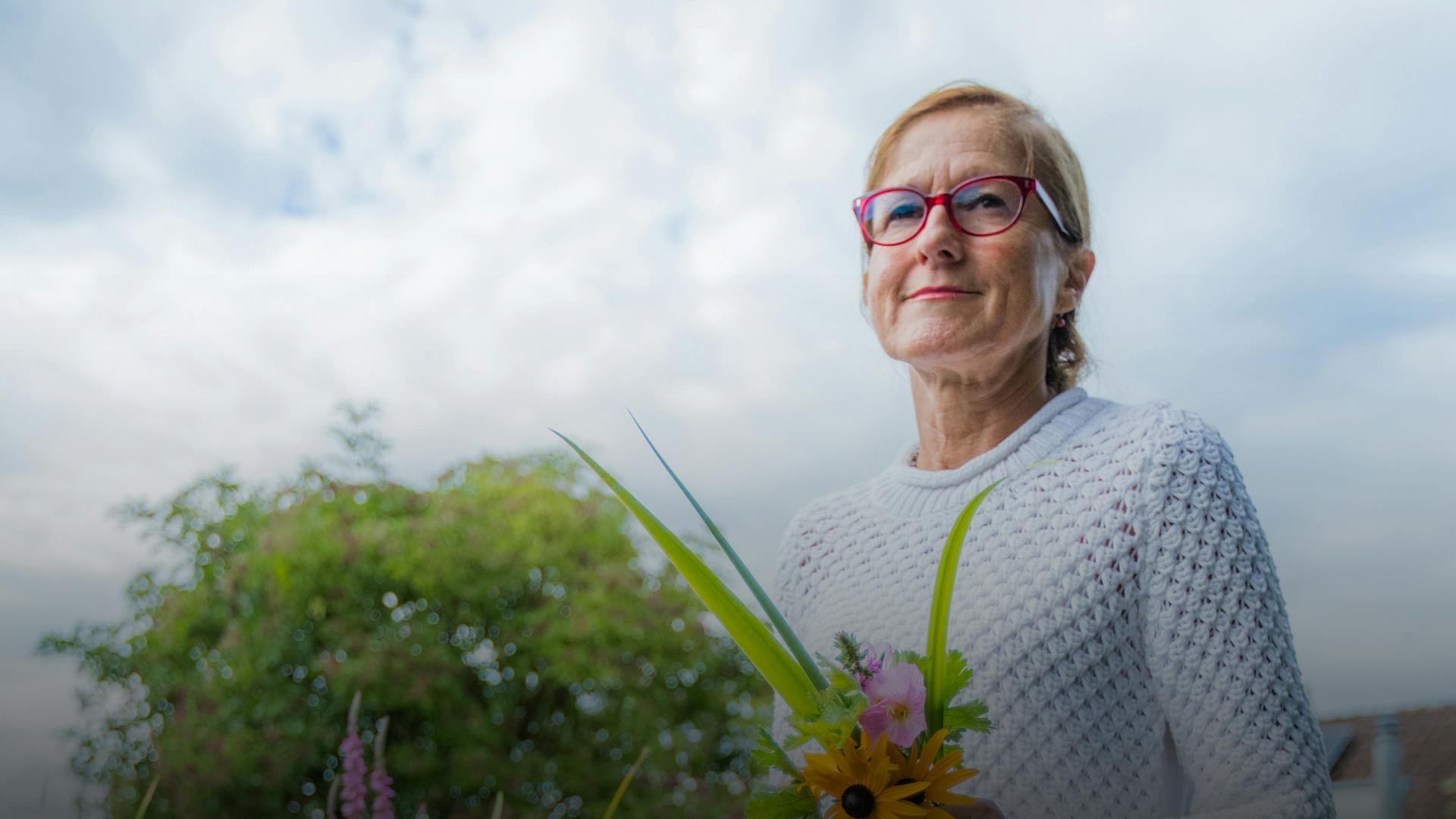
Esther Rudischhauser was just 28 years old when she suddenly felt extreme pain in her ankles after an intense tennis practice. The hope that this pain would stop by itself the next day was not fulfilled - on the contrary. From then on, this pain was her constant companion. At that time, in the 1980s, she only received the completely ineffective advice from her doctor to apply cold arnica compresses. She fared no better than patients from earlier centuries who were prescribed arsenic salts, beeswax oils, or asphalt plasters.
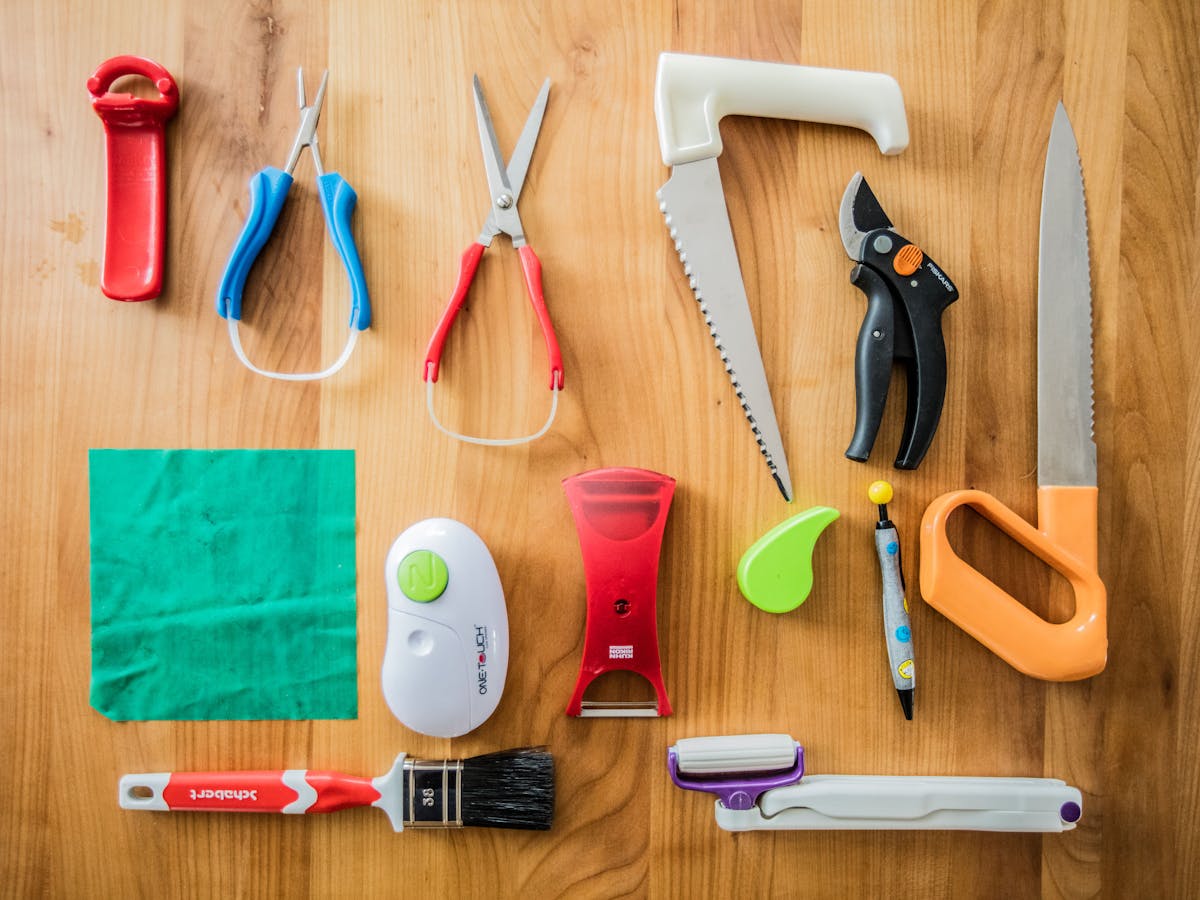
A whole toolbox full of aids makes the everyday life of rheumatism patients easier.
To date, Esther Rudischhauser has had 49 operations in which she had to have artificial joints inserted or gout nodules removed. For more than 20 years, she had to wait for her situation to improve. The decisive step came in 2006, when a biotechnologically produced active ingredient, used primarily in cancer immunotherapy, was also approved for the treatment of rheumatoid arthritis in Europe.
"This new treatment option is my sixpence in the lottery" says Esther Rudischhauser, who has never given up the fight against her condition. "I receive an infusion every six months, and the effect lasts until the next treatment each time. This relieves my pain and delays the progression of the disease."
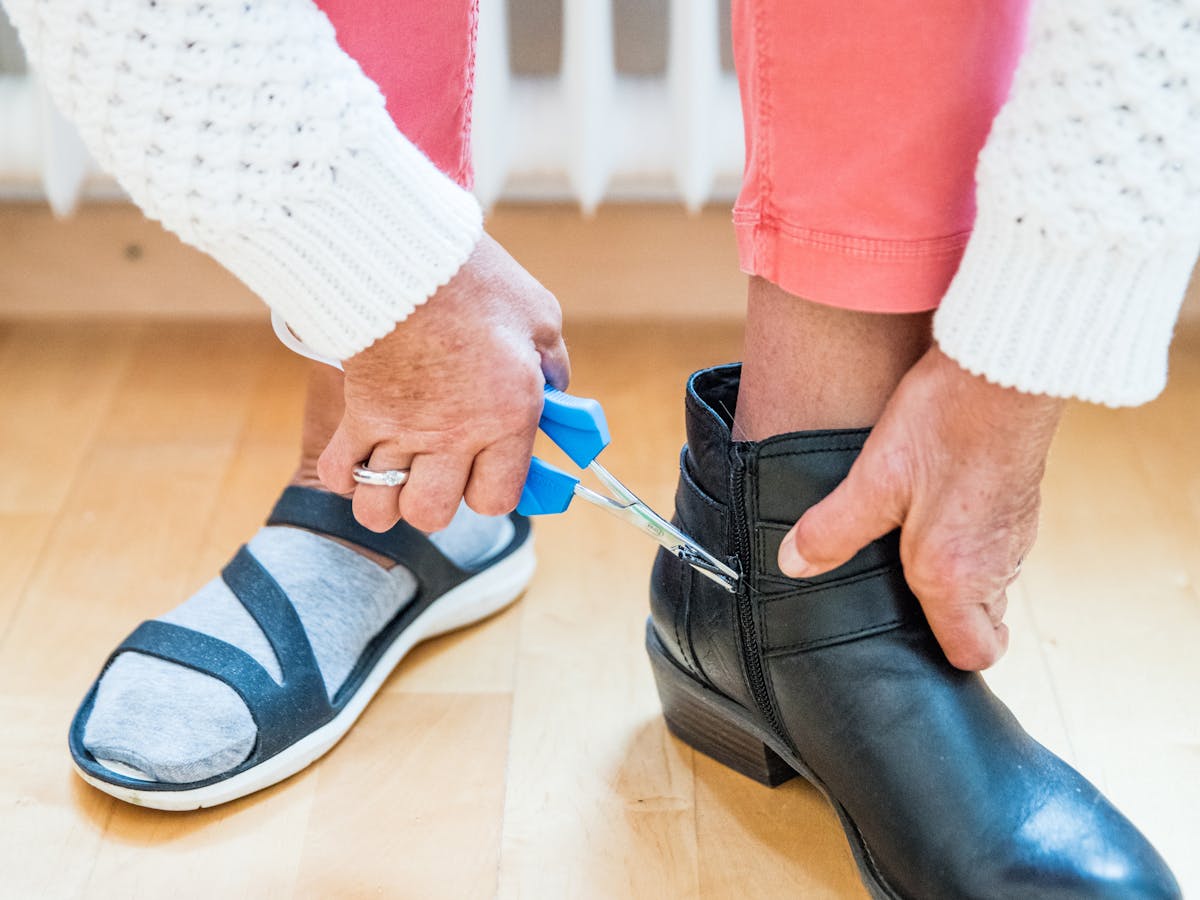
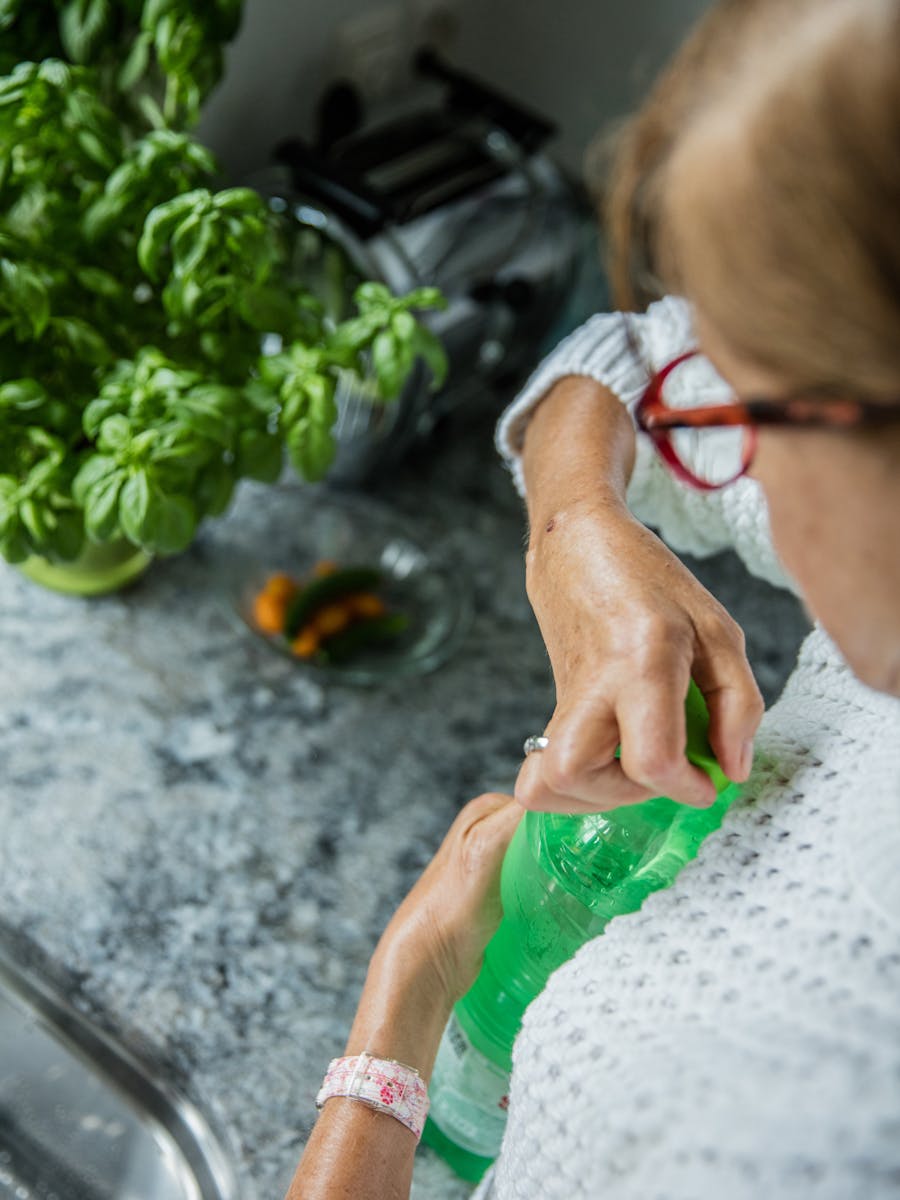
Zippers are a real challenge, but can be mastered with special pliers. Also at the ATM or at the ticket machine the "trick" with the pliers helps out of difficult situations.
After a year-long odyssey from doctor to doctor, the explanation for her pain came from a handshake she received from a new doctor as a greeting. In what is known as the Gänslen sign, the doctor simultaneously presses on the base joints of the fingers from above and below to test for a reaction. Subsequent X-rays of the inflamed joints then brought certainty that she was suffering from chronic polyarthritis - also called rheumatoid arthritis.

The daily walk with dog Nico on the specially made belt holder takes place in all weathers.
In general, biologics, which are delivered directly into the bloodstream through infusions or injections, are the new generation of basic medications in the fight against rheumatism. They intervene much more subtly in the immunological inflammatory processes than any previously available drugs.
Worldwide, chronic polyarthritis is the most common inflammatory rheumatic disease. In Switzerland, it affects about 70,000 people, or just under one percent of the population. In total, however, there are about 200 different types of rheumatism. The Rheumaliga Schweiz takes care of the concerns of all these rheumatism patients.