An emerging medical field
Nuclear medicine imaging
A long path
Clinical trial
Improving access
Video Player is loading.
Current Time 0:00
Duration 0:14
Loaded: 100.00%
Stream Type LIVE
Remaining Time 0:14
 
1x
    • Chapters
    • descriptions off, selected
    • captions off, selected
      00

      Combining nuclear technology with medicine

      Advanced Accelerator Applications is working on marrying targeted drug design with nuclear medicine technology to develop drugs that can recognize and treat diseases.

      By Goran Mijuk

      scroll-down
      Home
      Share
      Share icon
      Language icon
      content-image
      Enter fullscreen

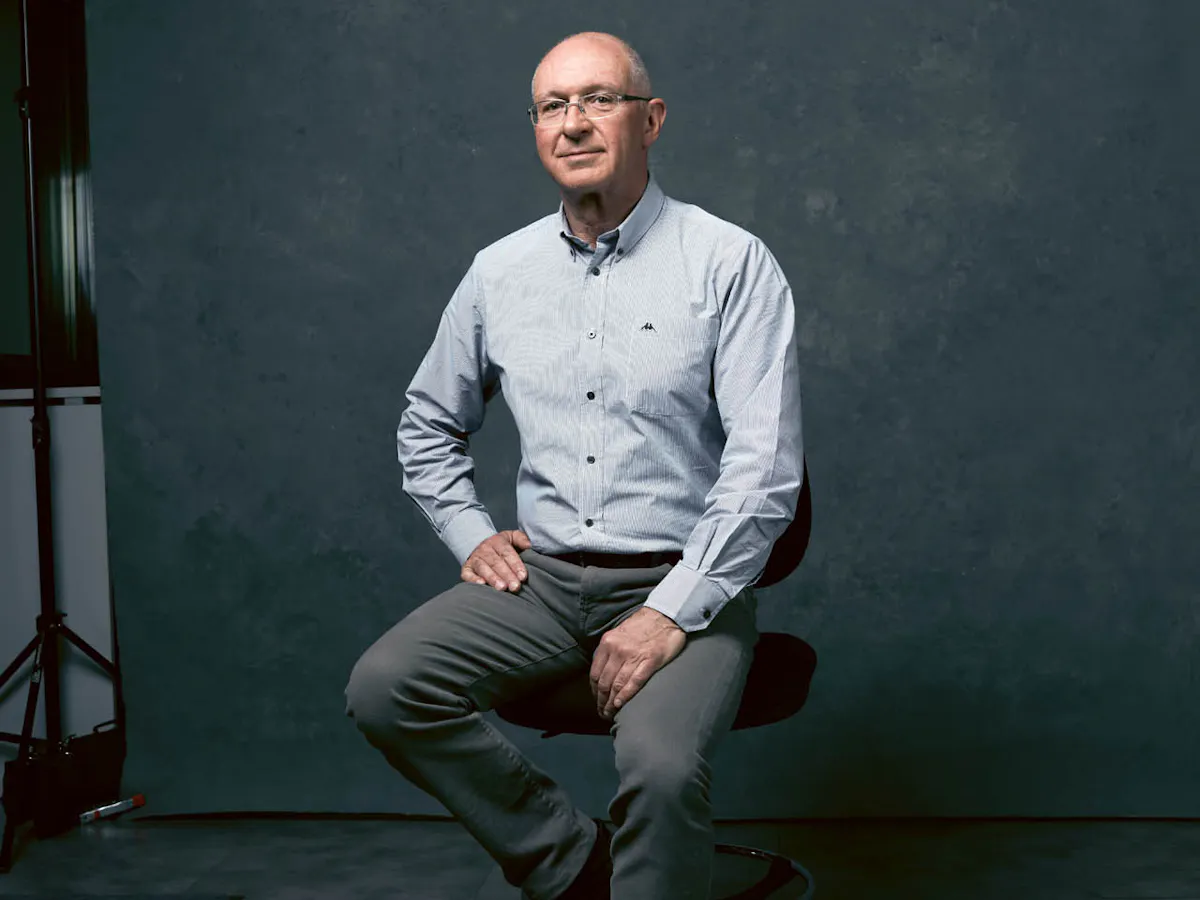
      Maurizio Mariani joined AAA in 2008 to develop a nuclear medicine therapy that can be used for treating and imaging cancer.

      arrow-rightAn emerging medical field
      arrow-rightNuclear medicine imaging
      arrow-rightA long path
      arrow-rightClinical trial
      arrow-rightImproving access

      Published on 01/06/2020

      Maurizio Franco Mariani loves challenges and dislikes routine. So when the scientist was offered a position more than 10 years ago at Advanced Accelerator Applications (AAA) in northern Italy, he accepted immediately. His mission at AAA: develop a new therapeutic approach using radioactive particles.

      “During my entire career, I have never opted for the easy solution,” says Mariani, who trained as a medical doctor before focusing on pharmacology and drug development. “When Stefano Buono, the founder and CEO of AAA at the time, approached me in 2008 with their idea to develop a nuclear medicine therapy, I immediately grabbed the opportunity because this was an absolutely novel field.”

      Leaving a large pharmaceutical company for AAA was one of his boldest career moves. AAA, which was founded in 2002 and is now a Novartis company, had only a few dozen employees at the time. But they had the clear vision to develop innovative cancer therapies using high-energy radioactive particles called radionuclides.

      At that time, only a few specialized clinics in Europe and the US had developed cancer treatments using small amounts of radioactive particles. But such therapies were produced manually by combining a cancer-binding compound with a radioactive agent, which damaged the DNA of tumor cells by emitting high-energy radioactive particles.

      Developing a standardized nuclear medicine that could be shipped to patients around the world was a complex and seemingly insurmountable task. However, Mariani and his team were up for the challenge.

      Video Player is loading.
      Current Time 0:00
      Duration 1:35
      Loaded: 100.00%
      Stream Type LIVE
      Remaining Time 1:35
       
      1x
        • Chapters
        • descriptions off, selected
        • captions off, selected
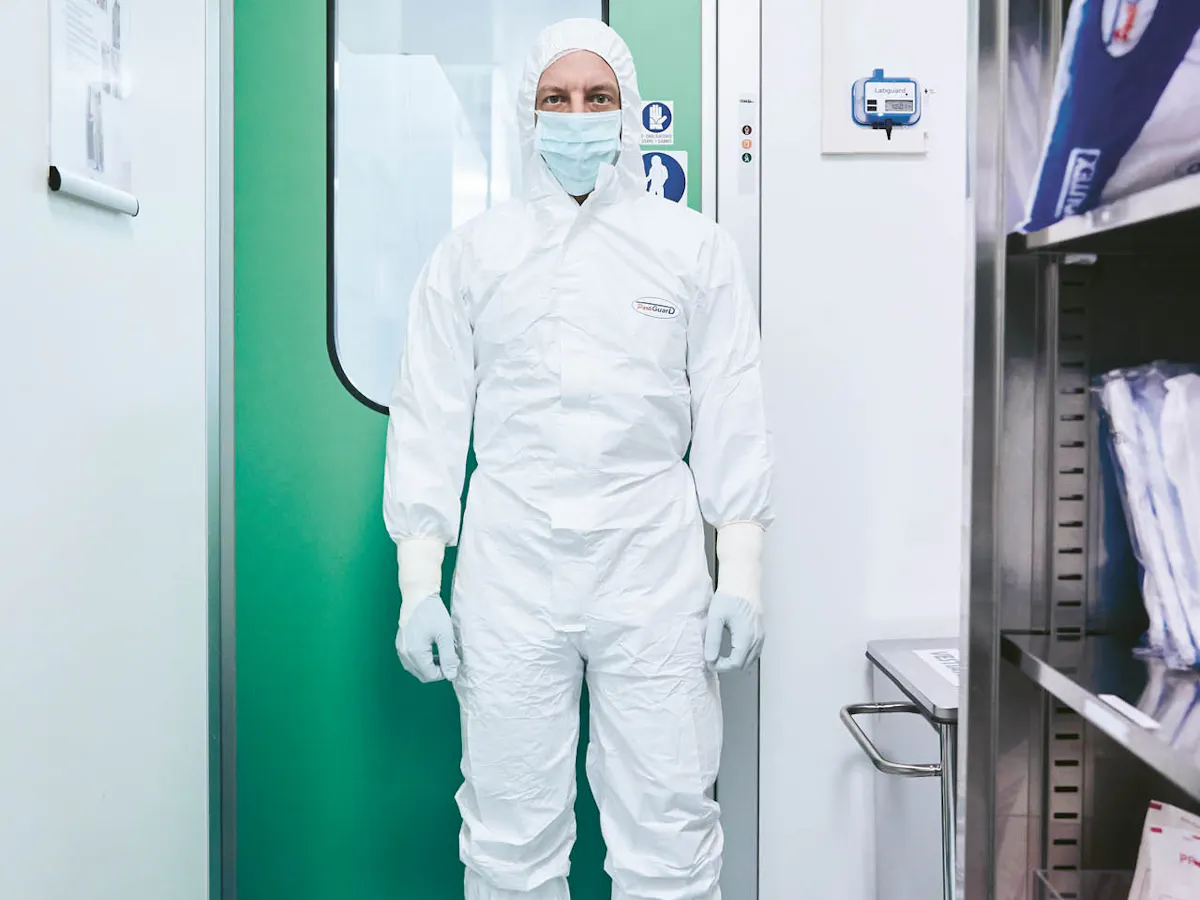
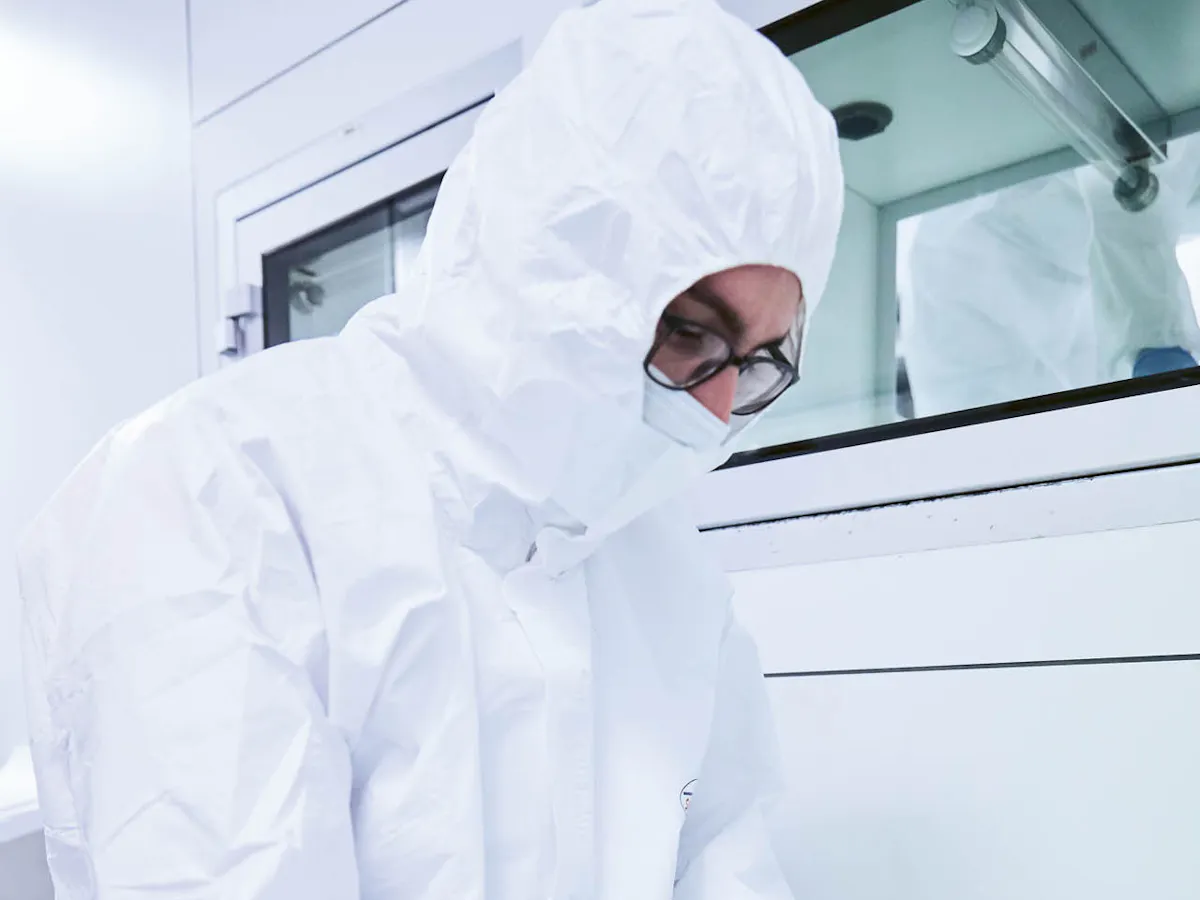
          A normal workday for Francesco Cipolla.
          Quote
          An emer­ging me­di­cal field

          When AAA was founded in 2002, nuclear medicine was a well-established medical field. But its potential in both therapeutics and diagnostics had not been fully realized.

          Tracing its origins back to the turn of the 20th century with the discovery of radioactive particles by Henri Becquerel and Marie Curie, the field received an early boost in the 1930s following the efforts of US physicist Ernest Lawrence and his physician brother, John, both of whom worked at the University of California, Berkeley.

          Ernest Lawrence successfully constructed a particle accelerator that artificially produced radioactive isotopes, or radionuclides. His brother was among the first to apply such molecules in medicine. John used a variety of radioactive particles, produced with the help of an apparatus called a cyclotron, to treat leukemia and other forms of cancer.

          The work of John Lawrence – considered the father of nuclear medicine – sparked an avalanche of research. Physicists discovered new radioactive particles with the help of cyclotrons, enabling physicians to apply these radionuclides in different disease areas.

          Development was especially fast in the realm of diagnostics because the high-energy particles helped physicians easily locate cancers in the body in a non-invasive way.

          As part of this diagnostic imaging procedure, patients receive very small doses of a radioactive substance that leaves traces in the body. This substance can be measured by imaging tools, including positron emission tomography (PET) and single-photon emission computed tomography (SPECT), which became more widespread around the turn of the millennium.

          content-image
          Enter fullscreen

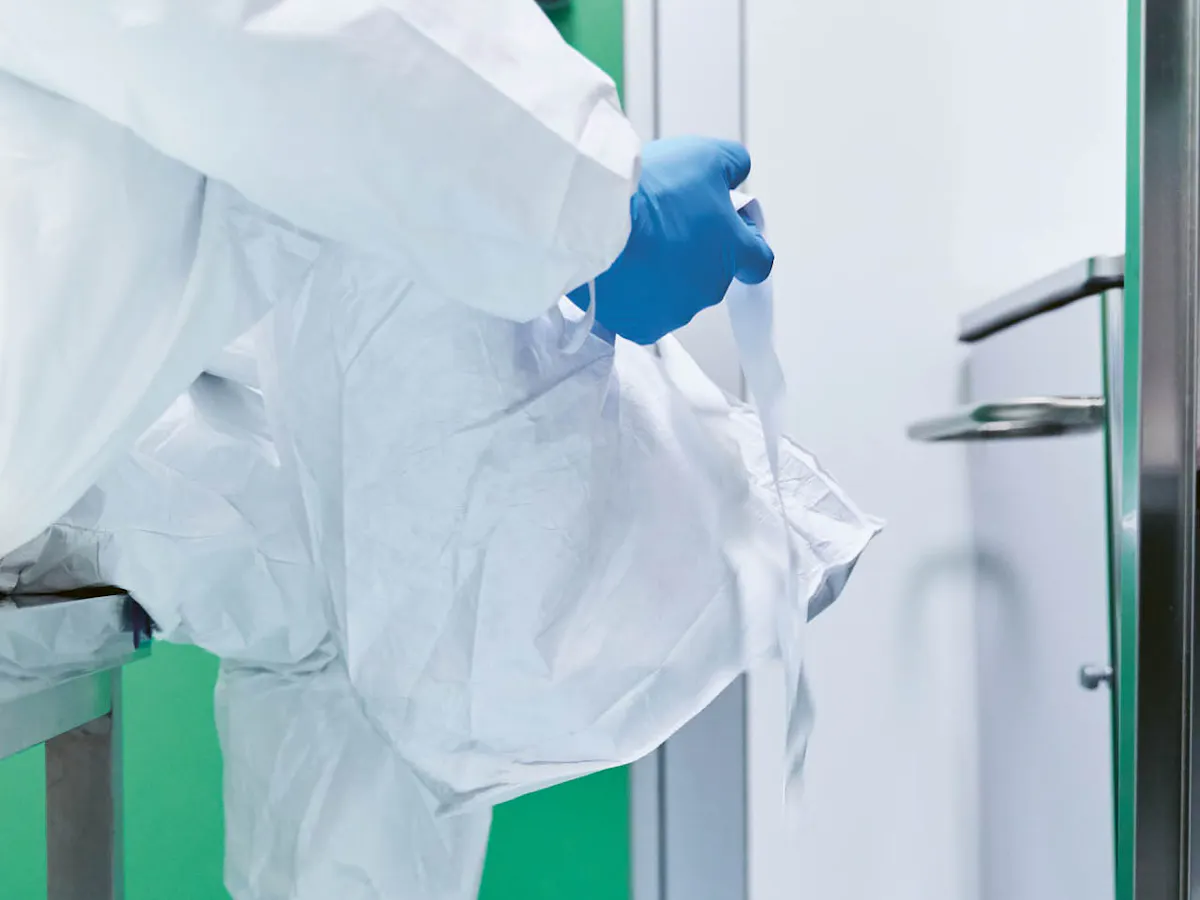
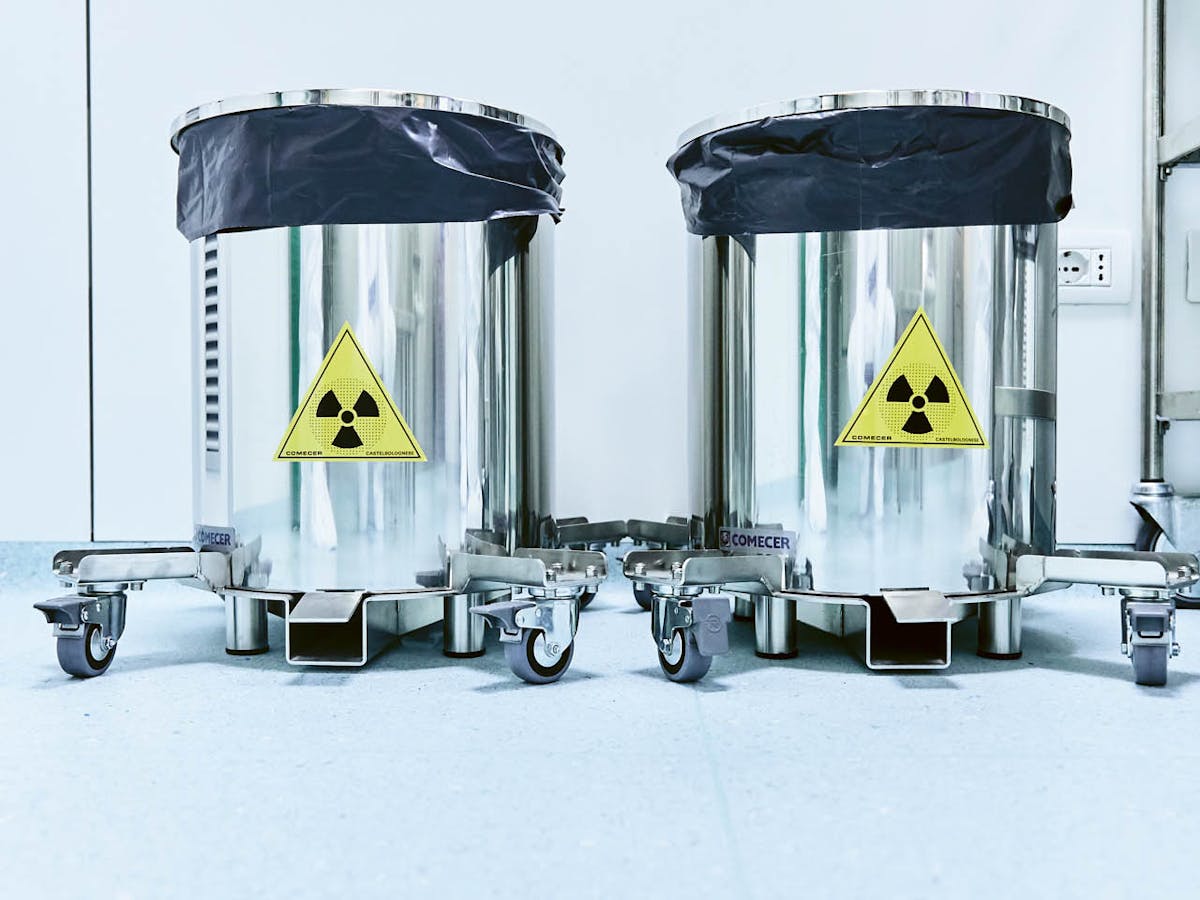
          Coats and other single-use material are disposed in special containers.

          Nu­cle­ar me­di­ci­ne ima­ging

          It was against this background that AAA started to produce radioactive drugs for PET and SPECT imaging for hospitals and medical centers, most of which were not equipped to produce such drugs on their own.

          AAA founder Buono, who had worked at the European Organization for Nuclear Research (CERN), had a deep understanding of the underlying physical process and was aware of the difficulties of delivering these products in time.

           The challenge was not only to produce the radioactive imaging agents. The half-life of the radioactive molecules they contained, which can range from a few hours to a few days, also puts pressure on distribution because the products containing these particles need to be delivered in time to maintain their activity.

           AAA was up to the task. The company succeeded in producing diagnostic imaging products containing such radionuclides and established a distribution network to reach a broad range of hospitals in Europe.

          content-image
          Enter fullscreen

          AAA’s research and development team (from left to right): Donato Barbato, Daniela Chicco, Clementina Brambati, Lorenza Fugazza, Valeria Muzio and Elena Bisone.

          A long path

          Emboldened by this success, AAA aspired to achieve more and wanted to find out whether it was possible to develop a targeted radionuclide-based therapy that could also be shipped to hospitals around the world. The challenges, though, were immense.

          “AAA was a small company with limited funds,” says Mariani. “We had to find a way to be as effective and fast as possible, and do a lot of heavy lifting to achieve our goal of developing and producing a standardized nuclear medicine therapy.”

          The first hurdle was to find a suitable molecule that could be used for a potential treatment and had a long enough half-life to be distributed to patients. The search for such a molecule took years before Mariani and his team discovered a small peptide able to link to a radionuclide that had a half-life of several days and showed effectiveness in treating tumors.

          Before the AAA team could begin clinical trials, however, the company had to develop a ready-to-use, commercial-grade product that could be shipped to hospitals and reach patients in the fastest way possible.

          While a small team of nuclear chemists created a seamless production process to combine the cancer-binding molecule with the radionuclide, another group worked to establish a global distribution network to transport the treatment to hospitals within two or three days of production.

          content-image
          Enter fullscreen

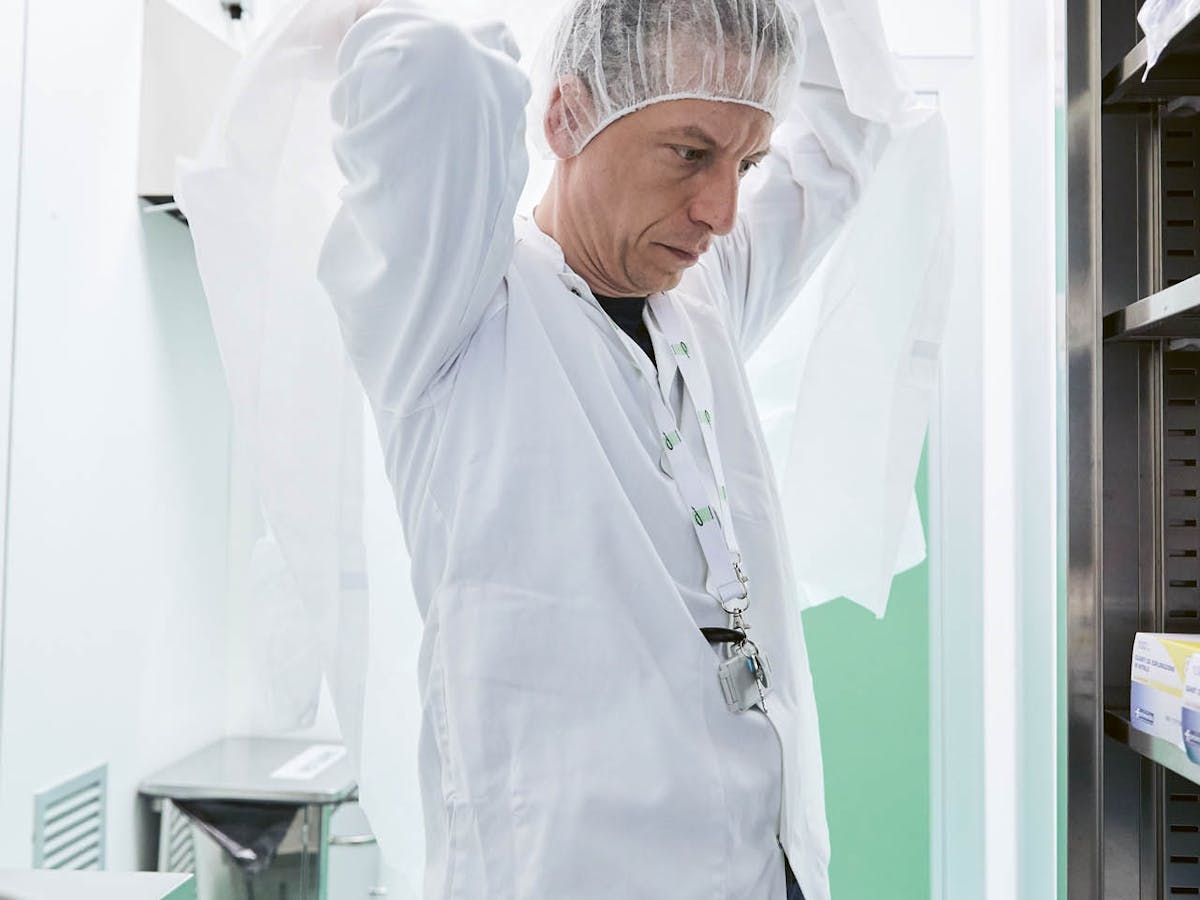
          Francesco Cipolla puts on a series of protective coats ...

          Cli­ni­cal tri­al

          This was only part of the uphill struggle. “Another key step for the team was to build a complete preclinical package and collect all available clinical data based on previous use to prepare for the conduct of a formal, randomized, Phase III human trial,” Mariani says. “This took a considerable amount of time due to the great volume of information and data involved.”

          To convince regulators, Mariani and his team, including Daniela Chicco, Jack Erion and Paola Santoro, spent several months sifting through existing patient data and establishing a trial protocol and solid regulatory strategy. For this massive task, they also received support from other oncologists and nuclear medicine specialists who had previously worked with the manually produced therapy.

          After two years of hard work, by the summer of 2012, AAA enrolled the first study patient in Europe and soon after started the trial in the US as well.

          content-image
          Enter fullscreen

          The nuclear medicine therapy is readied for shipment in special lead cases.

          Im­pro­ving ac­cess

          The many obstacles AAA had to overcome before it was able to start a clinical trial and reach patients who would otherwise have had to travel long distances to receive such a treatment were exhausting. But the company persisted because scientists like Mariani were convinced of the high potential of this targeted nuclear medicine therapy.

          One big advantage of nuclear medicine, Mariani says, is that treatment and imaging of disease can be linked together closely. “For us, the beauty and strength of nuclear medicine is that we can develop a true precision approach, which combines both imaging and therapy.”

          The same or a similar cancer-binding molecule can be used for treating a patient as well as assessing the disease. Only the nuclear particle needs to be changed. “With this strategy, we can locate a cancer and use the same or similar targeting molecule with a different radioactive agent to treat the cancer.”

          "For us, the beauty and strength of nuclear medicine is that we can develop a true precision approach, which combines both imaging and therapy."

          Maurizio Mariani

          Given the advantages of such an approach, nuclear medicine is expected to continue expanding. “We hope we can change the practice of medicine with this approach as we continue to harness the great potential of nuclear medicine,” Mariani says.

          AAA, which was acquired by Novartis in 2018, is researching new targeted therapies to treat other oncological diseases, including multiple solid tumors.

          icon

          Home
          Share
          Share icon
          Language icon