Looking for poetry
Focus on healthcare
A nomadic young boy plays in a pile of freshly sheared wool. — Western Mongolia, summer 2016
People
00

Seize the moment

A passion for medical science and photography – Martin Vogt is combining both in an artful way.

Published on 01/06/2020

By Goran Mijuk

scroll-down
Home
Share
Share icon
Language icon
content-image
Enter fullscreen

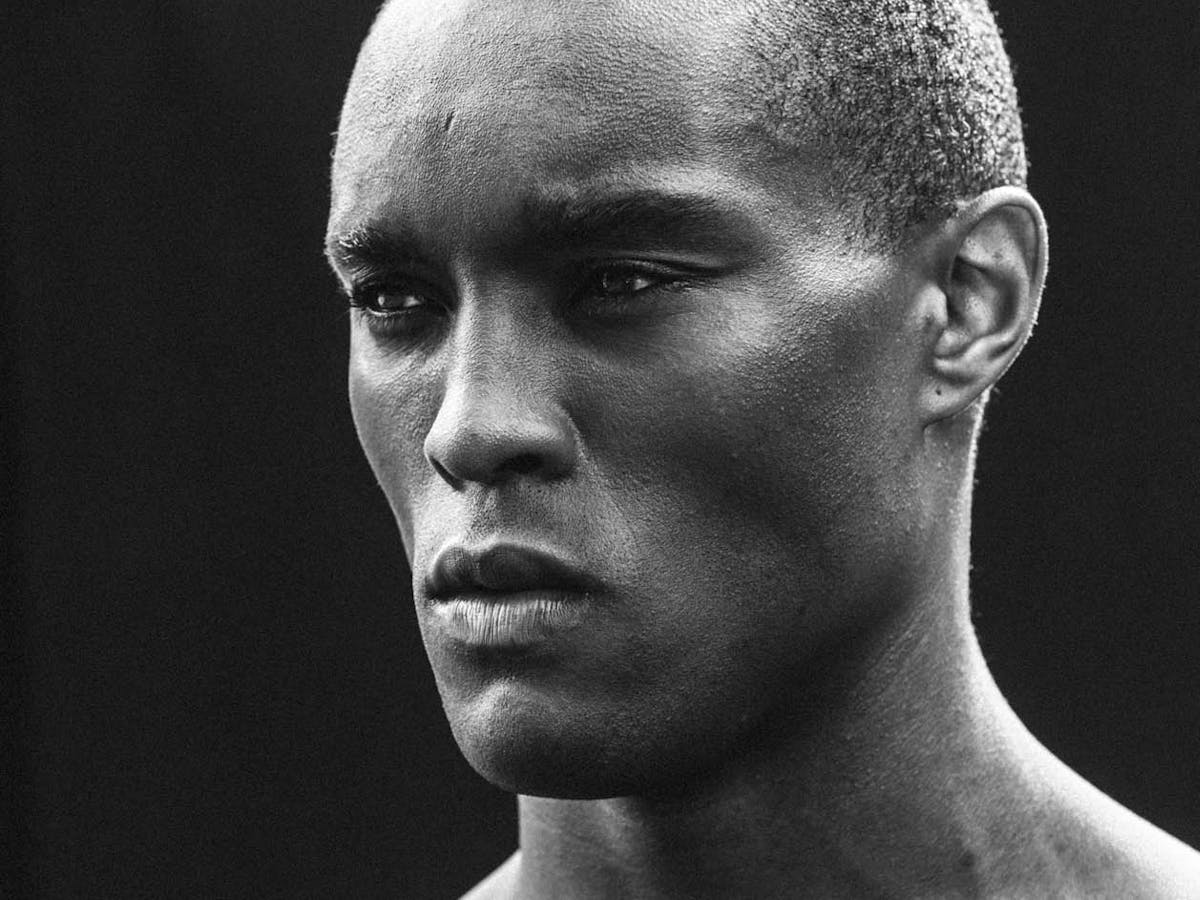
“Candid black and white portraits. It takes an element out of a photo that I personally like. It pushes your shot to rely on subject matter and composition to a greater degree.”

“Candid black and white portraits. It takes an element out of a photo that I personally like. It pushes your shot to rely on subject matter and composition to a greater degree.”

London, 2016.

Quote
arrow-rightLooking for poetry
arrow-rightFocus on healthcare

Martin Vogt is the quiet type. An experienced scientist at the Novartis Institutes for BioMedical Research, he used to dive deep into the mysteries of biology and chemistry in the quest to develop a potential therapy. As a trained chemist, he knows that the smallest of changes in the structure of a molecule can have the greatest of consequences for its function. Yet, he is also painfully aware that, despite his best efforts, the ultimate goal of developing a medicine is elusive and may never come to fruition.

“In pharmaceutical research, the goal is often years away and may never be reached. Through this constant challenge, I have learned that the way to attain a goal is as important as the goal itself,” Martin Vogt told me during our encounter in Basel. 

This Zen-like attitude seems to permeate Vogt’s entire being. The first thing that struck me when I saw Martin was that he had prepared himself very well for our short meeting. Carrying two black boxes under his arm that were neatly fixed with a pair of white rubber bands, he seemed alert and ready to talk about his passion for photography and show me some of his best work that he had done over the past few years.

The first time I saw a picture taken by Martin was back in 2014 when Novartis launched an image contest as part of its Long Live Life campaign. The images Martin shared as part of the campaign stood out immediately against the avalanche of pictures that were sent in by thousands of other Novartis employees.

Martin’s series included several black and white pictures he had taken during a trip to India in 2013. None of the shots were stereotypical, as would most likely be the case with amateurs, including me, who are rambling through an exotic holiday destination on the lookout for a memorable instant. No Taj Mahal, no people-thronged railway stations, no traffic jam.

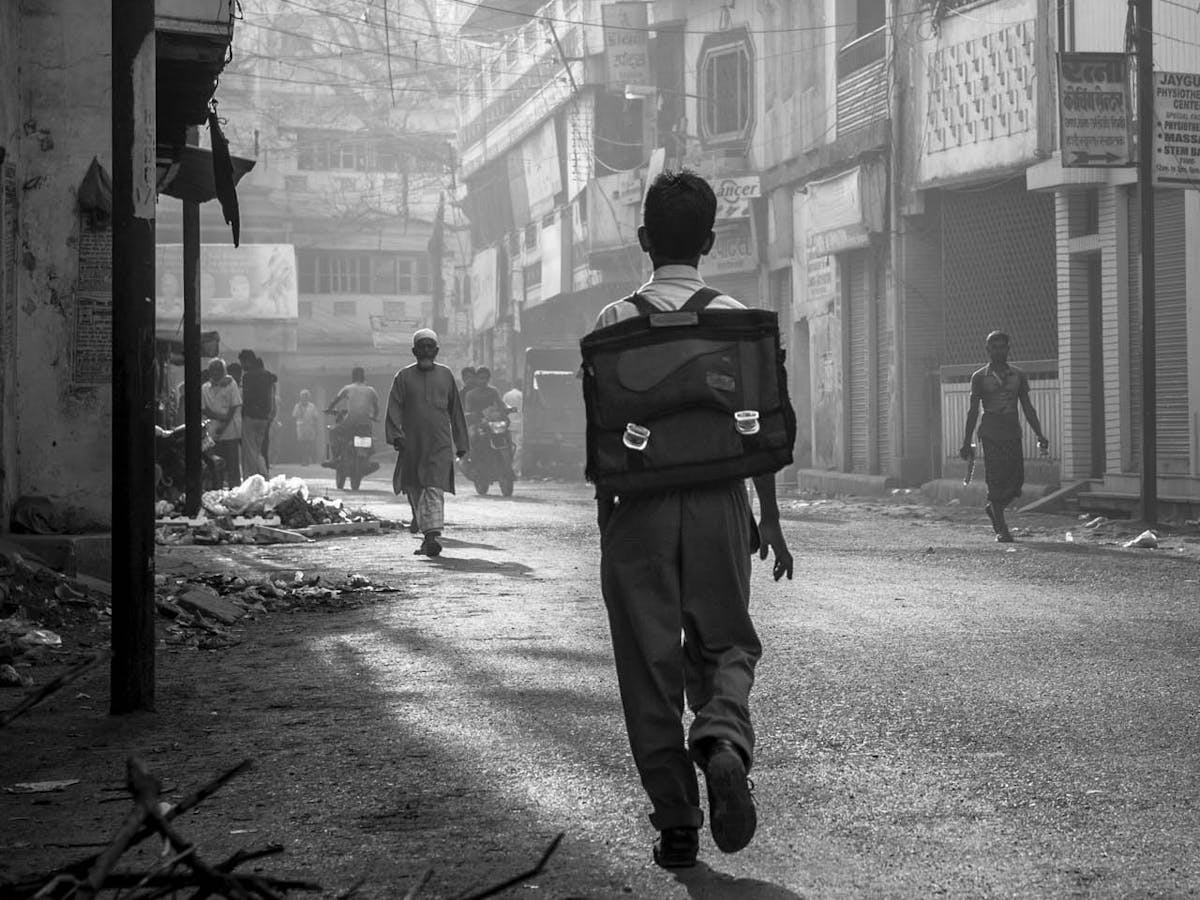
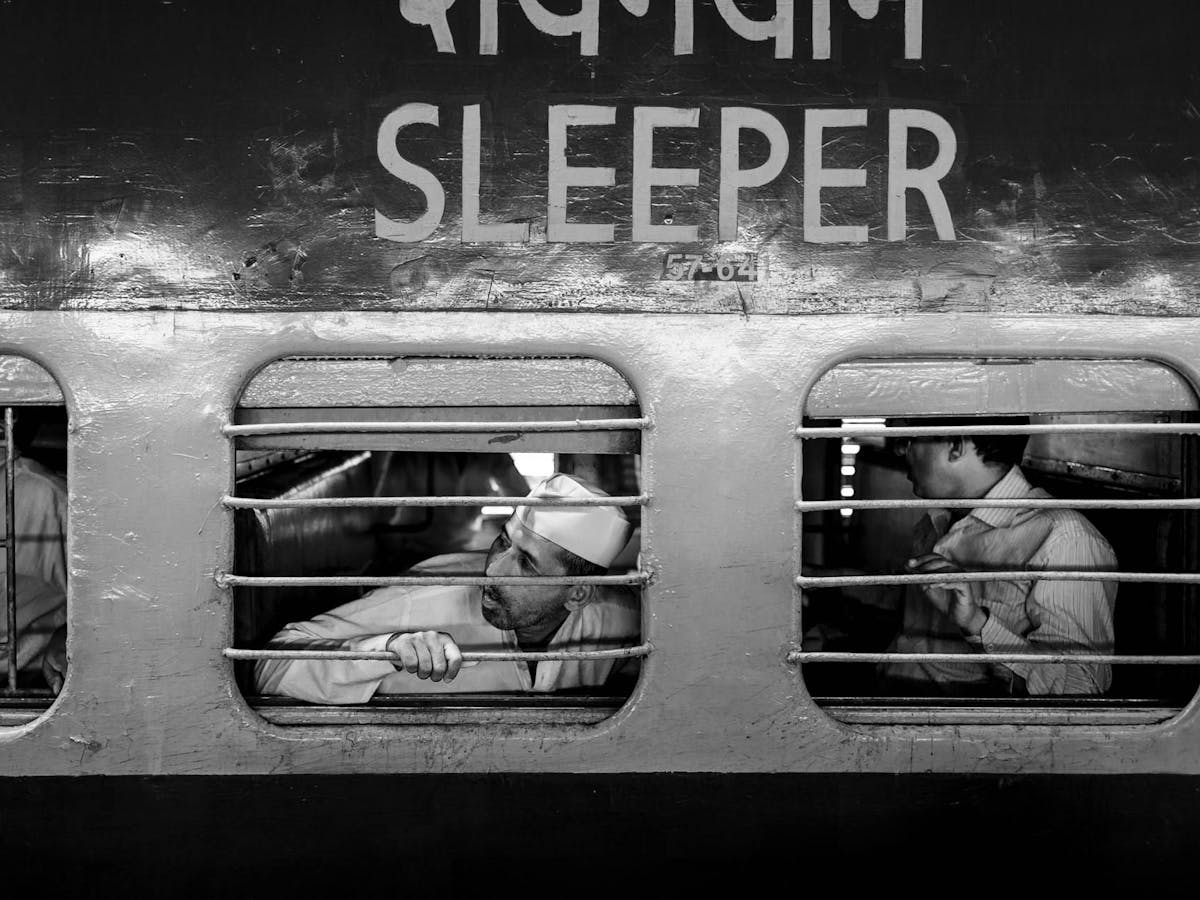
Avoiding the obvious and easy, Martin’s eye drew him to capture intensely personal moments such as a man looking out of a train wagon searching for a friend or a boy carrying a school bag walking through a dilapidated side street.
content-image
Enter fullscreen

Varanasi, India, 2013.

Loo­king for poe­try

Taken in black and white, both pictures have a poetic quality to them as they freeze a fleeting and almost painfully personal moment in time. The man looking out of the train, who seems unaware that he is being observed through a camera lens, shows a dramatic, yet natural expression. It feels as if we know the man intimately and are instantly able to connect to his anxious look. 

The erect posture of the boy, who is pictured from behind, seems to glow with pride and purpose, an impression that is intensified as he walks down an alley in which several old men walk to work. The boy seems full of hope and determination to change the world and we, unbeknownst to him, can feel the vast expanse of his young and ambitious soul.

“It was in 2010, after I completed my MBA, that I decided to travel for an extensive period of time and thought about taking a camera with me,” Martin tells me, explaining how his passion for photography started. “I bought a secondhand camera, but a professional one, which helped me make some very impressive shots right from the start.”

Shouldering a Canon 5D Mark IV, Martin ventured on the first of what would become numerous long voyages to distant places, with his interest in photography, people and landscapes growing with every mile.

After he came back from his first journey, he started to take photography classes at Central Saint Martins School of Design, a college at the University of the Arts in London. “I really wanted to learn how to take pictures given that I had bought a sort of ‘Ferrari’ and wanted to know how to use the camera properly. I didn’t just want to take pictures, but do discerning work.”

Influenced by world-renowned photographers such as Helmut Newton, Martin started out with portrait and landscape photography, usually in black and white and taken in natural light. “I wanted to capture moments that are suspended in time and create pictures that have a seemingly eternal quality. Much like one can look at Helmut Newton’s photography and have a sense of universality, I wanted to create images that are not influenced by a certain fad, which a few years down the road would become unfashionable.”

Traveling with his camera seems to have helped Martin to keep his eyes wide open and seek moments that are fresh and fulfilling. Coming back from a passage to India in 2013, Martin told live magazine a year later: “When I traveled around India by rickshaw, car, bus, train and airplane, I felt I was experiencing every moment to the full and felt so alive. I think this feeling is precious in today’s world, where many of us live for tomorrow, for a career, for the day we pay off the mortgage, without really focusing and taking in the tiny beautiful things that are right there in front of us.”

content-image
Enter fullscreen

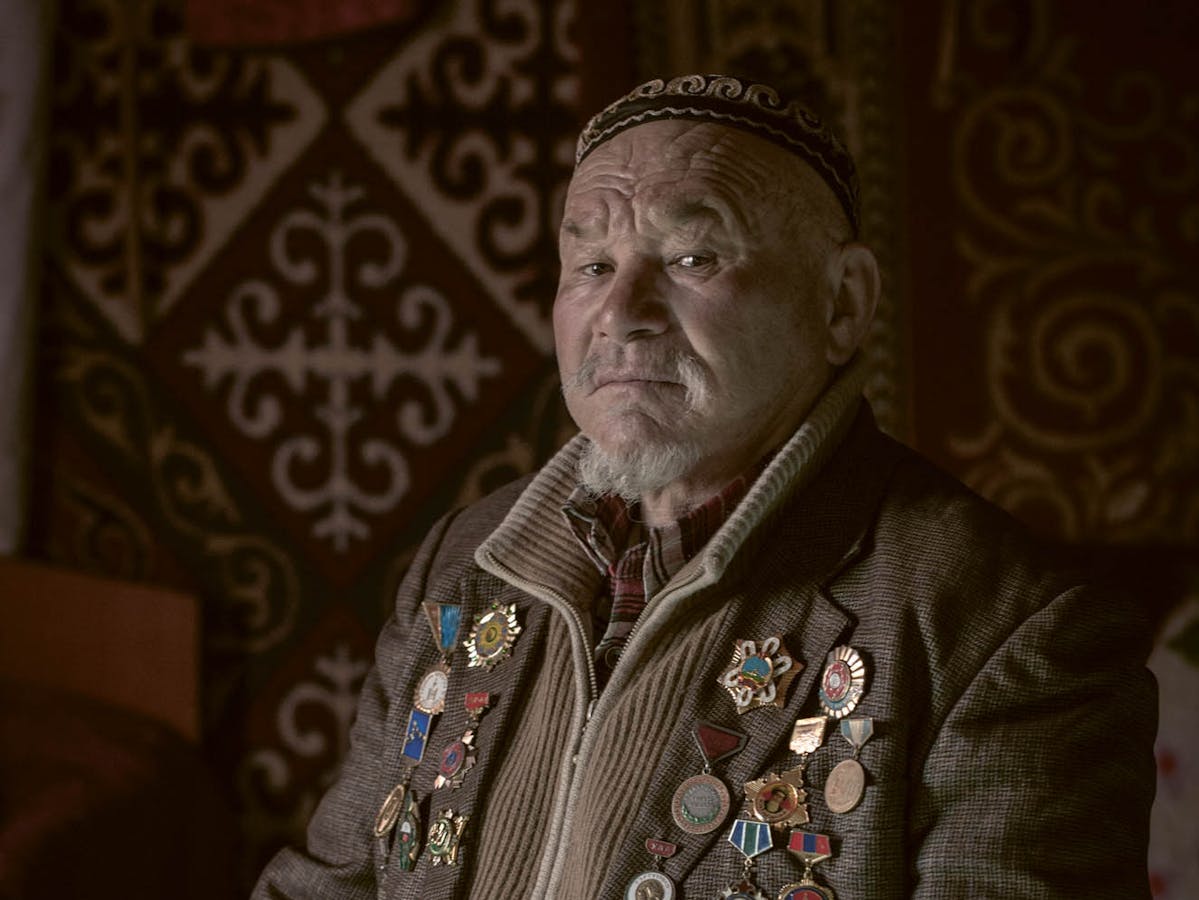
Portraiture of Shohan, a Kazakh Eagle Hunter. Portraiture using natural light.

— Mongolia, 2017.

Fo­cus on health­ca­re

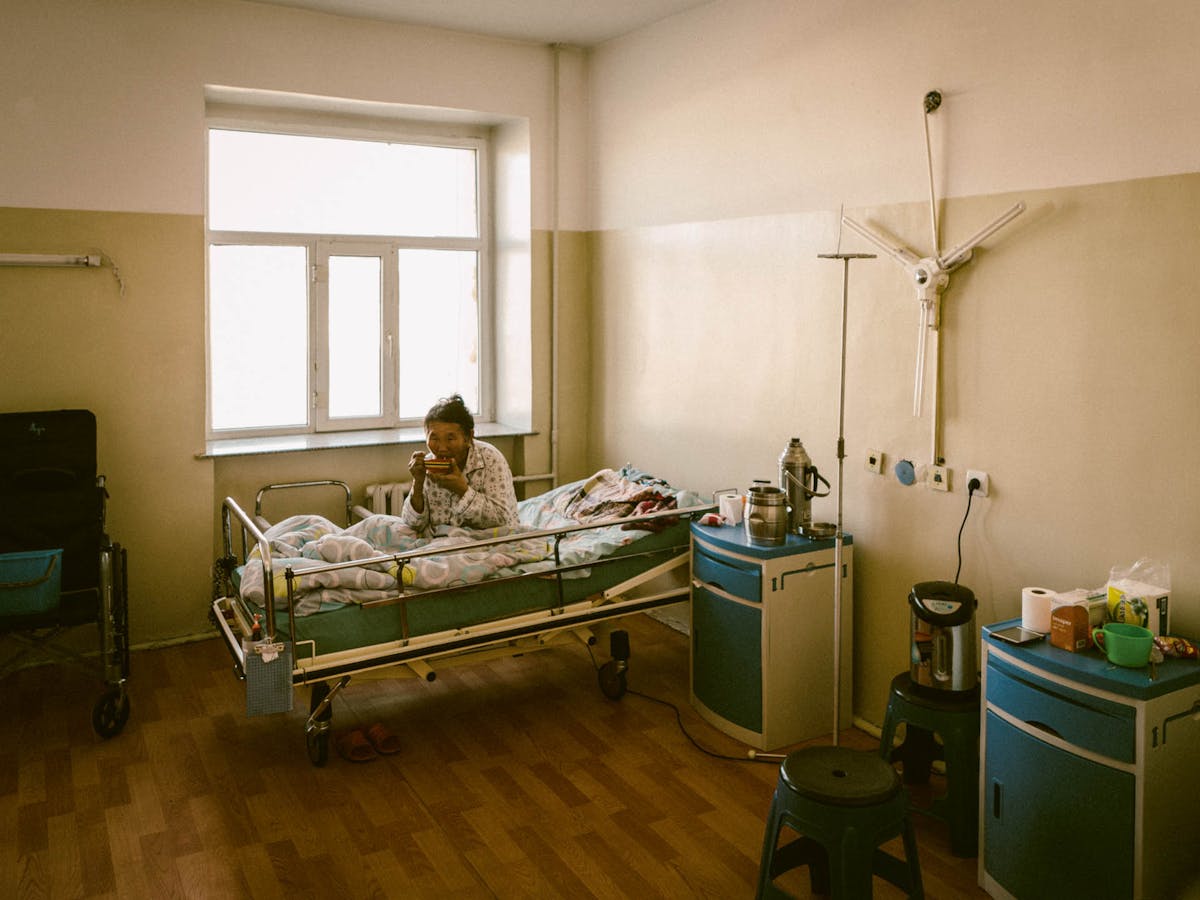
The interest in detail and fleeting minutiae has never left Martin. As he perfected his style and continued with his travels, he broadened his field of vision and deepened his interest in people. After concentrating on portrait shots and pure landscape photography in his early phase, Martin started to go on reportage journeys for several weeks, in one case traveling to Zambia with Novartis, in other instances roaming the wilds of Mongolia and Georgia on his own, following people and families in their daily life.

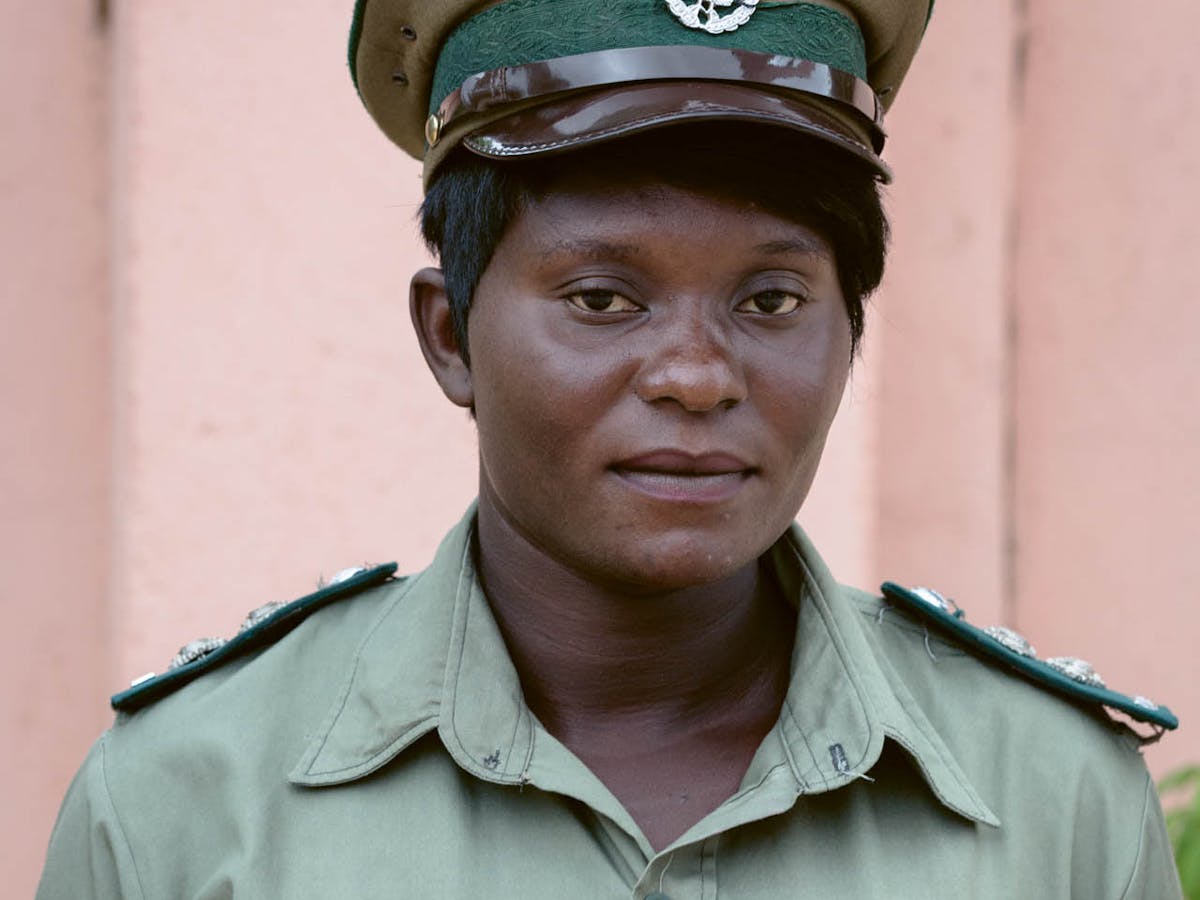
His deep interest in healthcare and science also shows in his work as a photographer. During his trip to Zambia, Martin shot a series of pictures of healthcare workers in rural parts of the country, showing them at work in their rudimentary healthcare stations. It was a dream come true in some way: “In the near future,” Martin told live magazine back in 2014, “I would like to shoot more photo stories. There are various ideas floating around. One goal would be shooting for an NGO or corporation with a view to helping those in difficulty.” 

Martin has remained true to his word. But he is far from satisfied. Even as he is gaining international recognition for his photo stories, including a silver award from One Eyeland Photography for a feature on eagle hunters in Western Mongolia, Martin is aiming further and higher. “To some extent I am feeling an inner calling to do what I am doing in photography. Through this, I am able to give a voice to people who can’t express themselves. In many ways, it’s similar to my work as a scientist, where I’m trying to help patients in need.”

Responding to this inner voice, Martin is prepared to go out of his comfort zone, he says. Whether this be in his daily work, when he is putting extra effort into a project, or when he is traveling through the Mongolian steppe in freezing temperatures on the lookout for a memorable image, Martin is eager to seize the moment in search of truth and beauty by looking for the tiniest details that can make a big difference. “Of course, sometimes this can be very challenging. But it’s the only way to move forward for me.”

icon

Home
Share
Share icon
Language icon