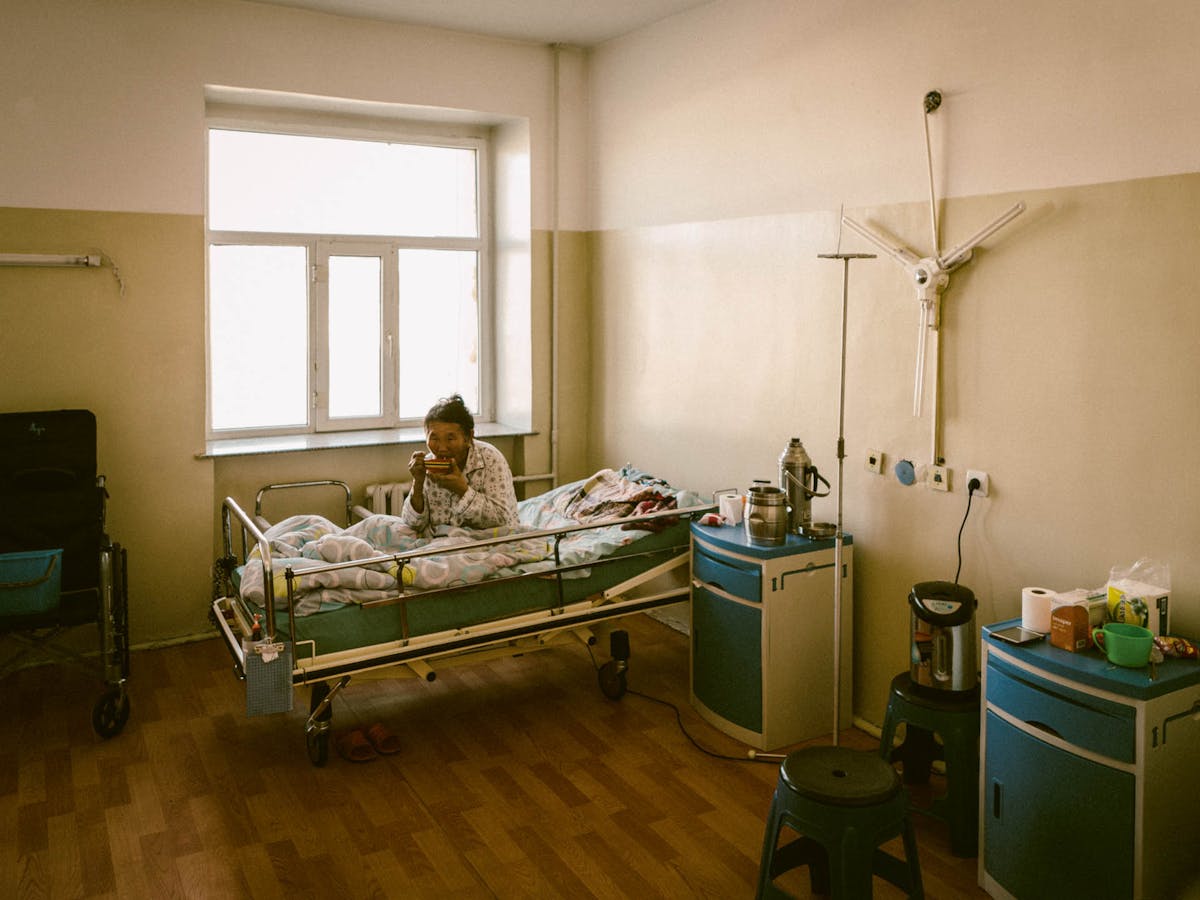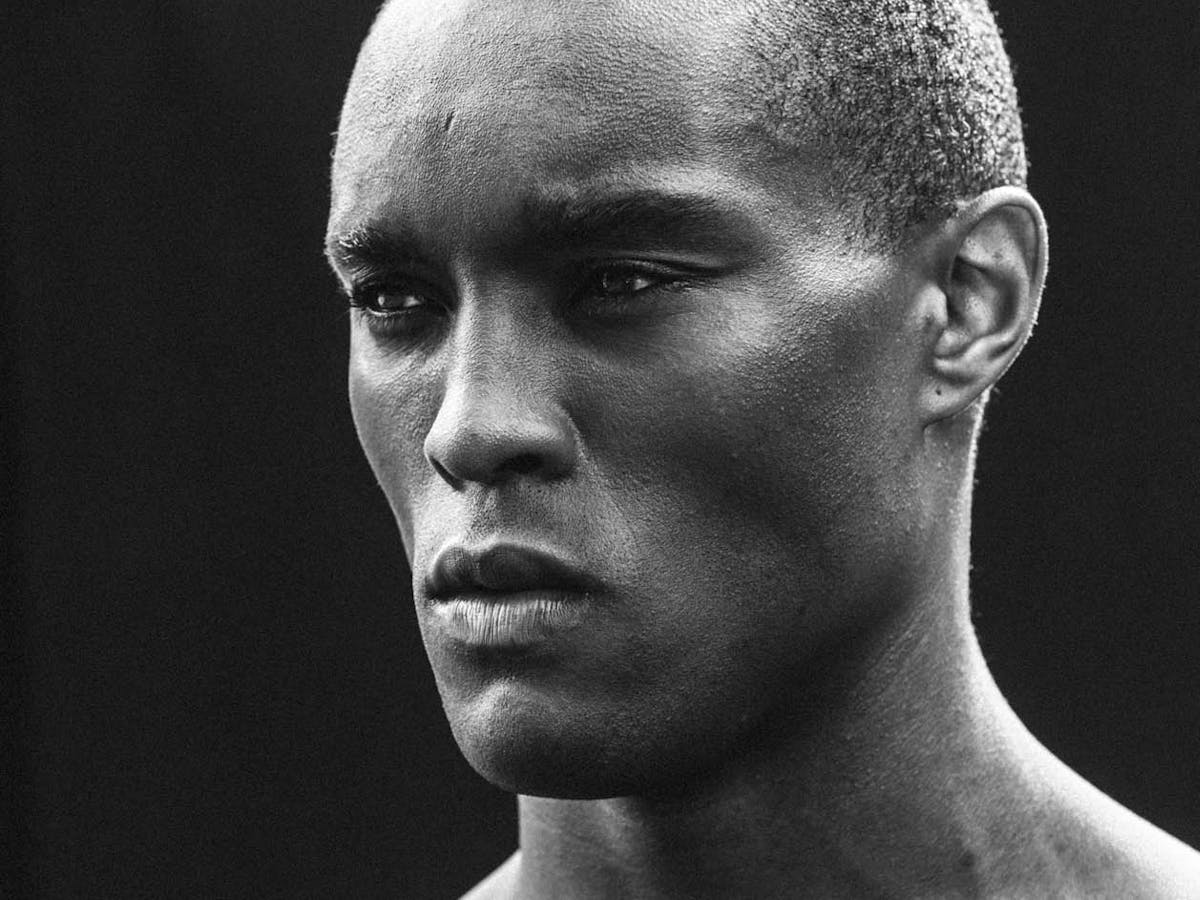

“Candid black and white portraits. It takes an element out of a photo that I personally like. It pushes your shot to rely on subject matter and composition to a greater degree.”
“Candid black and white portraits. It takes an element out of a photo that I personally like. It pushes your shot to rely on subject matter and composition to a greater degree.”
London, 2016.

 目录
目录 Looking for poetryFocus on healthcare
Martin Vogt is the quiet type. An experienced scientist at the Novartis Institutes for BioMedical Research, he used to dive deep into the mysteries of biology and chemistry in the quest to develop a potential therapy. As a trained chemist, he knows that the smallest of changes in the structure of a molecule can have the greatest of consequences for its function. Yet, he is also painfully aware that, despite his best efforts, the ultimate goal of developing a medicine is elusive and may never come to fruition.
“In pharmaceutical research, the goal is often years away and may never be reached. Through this constant challenge, I have learned that the way to attain a goal is as important as the goal itself,” Martin Vogt told me during our encounter in Basel.
This Zen-like attitude seems to permeate Vogt’s entire being. The first thing that struck me when I saw Martin was that he had prepared himself very well for our short meeting. Carrying two black boxes under his arm that were neatly fixed with a pair of white rubber bands, he seemed alert and ready to talk about his passion for photography and show me some of his best work that he had done over the past few years.
The first time I saw a picture taken by Martin was back in 2014 when Novartis launched an image contest as part of its Long Live Life campaign. The images Martin shared as part of the campaign stood out immediately against the avalanche of pictures that were sent in by thousands of other Novartis employees.
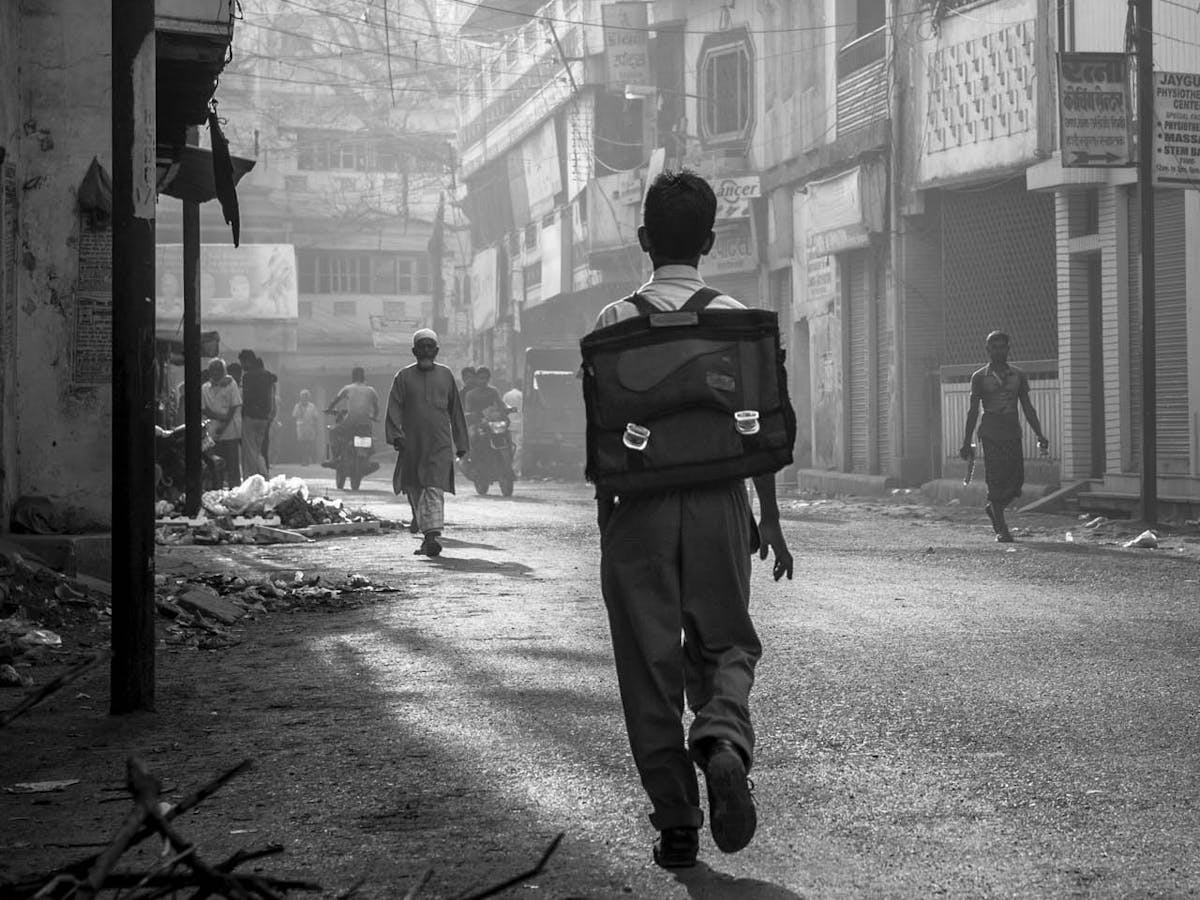
Martin’s series included several black and white pictures he had taken during a trip to India in 2013. None of the shots were stereotypical, as would most likely be the case with amateurs, including me, who are rambling through an exotic holiday destination on the lookout for a memorable instant. No Taj Mahal, no people-thronged railway stations, no traffic jam.
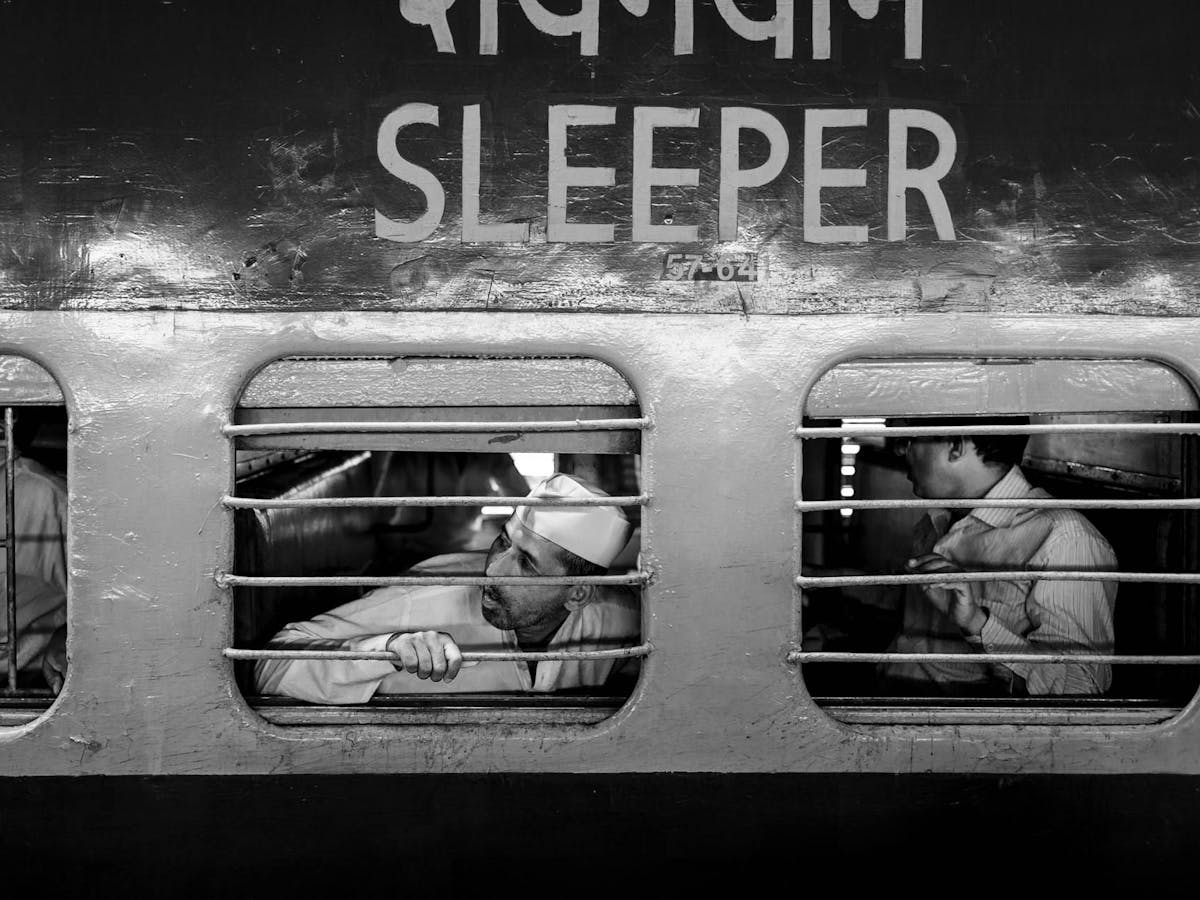
Avoiding the obvious and easy, Martin’s eye drew him to capture intensely personal moments such as a man looking out of a train wagon searching for a friend or a boy carrying a school bag walking through a dilapidated side street.